
Smart Camera Technology to Stay Ahead of Fires

On a construction site, in a storage area, or inside a vacant building, a fire is rarely a completely sudden event. It often starts small: an overheating battery, a poor connection in a temporary electrical panel, grinding work producing sparks, or waste materials beginning to smolder.
If you only take action once smoke or flames become visible, it is often already too late. Early detection of rising temperatures makes it possible to respond before an incident grows into a much larger problem.
Why Early Detection Makes All the Difference
A smoke detector is ideal for a home, but on an open site or inside a large warehouse, factors such as wind, dust, and ceiling height can make conventional smoke detection more difficult.
Early fire and heat detection therefore does not focus solely on smoke. It also looks for abnormal changes in temperature. The objective is simple: identify the beginnings of a fire before it has time to develop.
Smart cameras, particularly thermal cameras, can detect hot spots, including outdoors and from a distance. This technology is especially useful on sites where nobody is permanently present or where the risk becomes greater during nighttime hours.
What You Can Expect From Modern Detection Systems
A good system does not rely solely on the camera itself. The way alerts are handled is equally important. When choosing a solution, pay particular attention to the following:
- 24/7 monitoring so that someone is always available to assess the situation.
- Fast alarm handling so that valuable minutes are not lost.
- The ability to operate on temporary sites where layouts and requirements may change frequently.
- Clear pricing terms so that costs and services are understood in advance.
One example of this approach is KOOI automatic fire detection. An abnormal increase in temperature is automatically detected and immediately handled by an alarm center.
According to the provider, an alarm can be processed in approximately six seconds, while on-site installation can often be completed in around 30 minutes.
This type of solution can therefore be particularly suitable for projects that need to get started quickly or whose site configuration changes regularly.
If you also want to address theft and vandalism in addition to fire detection, it may be useful to consider KOOI's remote video surveillance solutions, which combine video monitoring and alarm response within a broader security approach.
Useful tools for monitoring temperature changes and identifying potential heat-related risks.

A thermal imaging option for identifying temperature differences and inspecting potential hot spots.
View on Amazon
Remote temperature monitoring with app and email alerts, long-range connectivity, and IP66-rated sensors.
View on AmazonAs an Amazon Associate, I may earn from qualifying purchases.
Steps for Building an Effective Approach
1. Map the Risks
Inspect your site and identify potential sources of heat, such as charging areas, generators, temporary electrical installations, and waste containers.
2. Identify High-Risk Periods
Is the risk greater at night, on weekends, or during certain types of work? Answering this question will help you determine whether 24/7 monitoring is necessary.
3. Choose Detection Technology Suited to Your Environment
Outdoor sites, dust, and rain require robust solutions. Ask specifically whether the system can detect increases in temperature and find out how quickly it can react when an abnormal condition is detected.
4. Define the Escalation Procedure in Advance
Who should be contacted when an alarm is triggered, and who can intervene immediately? You should also establish how responders will gain access to the site when intervention is required.
5. Regularly Evaluate and Adapt the System
Construction sites are dynamic environments. If storage areas are moved or traffic routes change, the monitoring zones and system settings should also be adjusted accordingly.
Common Mistakes That Are Easy to Avoid
- Installing technology without arranging proper follow-up. An alert only has value when it is immediately followed by appropriate action.
- Installing the system too late. Do not wait until the first batteries are being charged or the first containers have already been installed.
- Forgetting that the situation changes. A system that was correctly positioned last month may have blind spots today as the site evolves.
Conclusion
Early detection of fires and abnormal temperature increases provides a practical way to help limit damage, business interruptions, and dangerous situations.
By choosing smart cameras combined with 24/7 monitoring and a clearly defined response plan, you increase the chances that an incident can remain limited rather than developing into a much more serious event.
Additional equipment for site surveillance and fire preparedness.
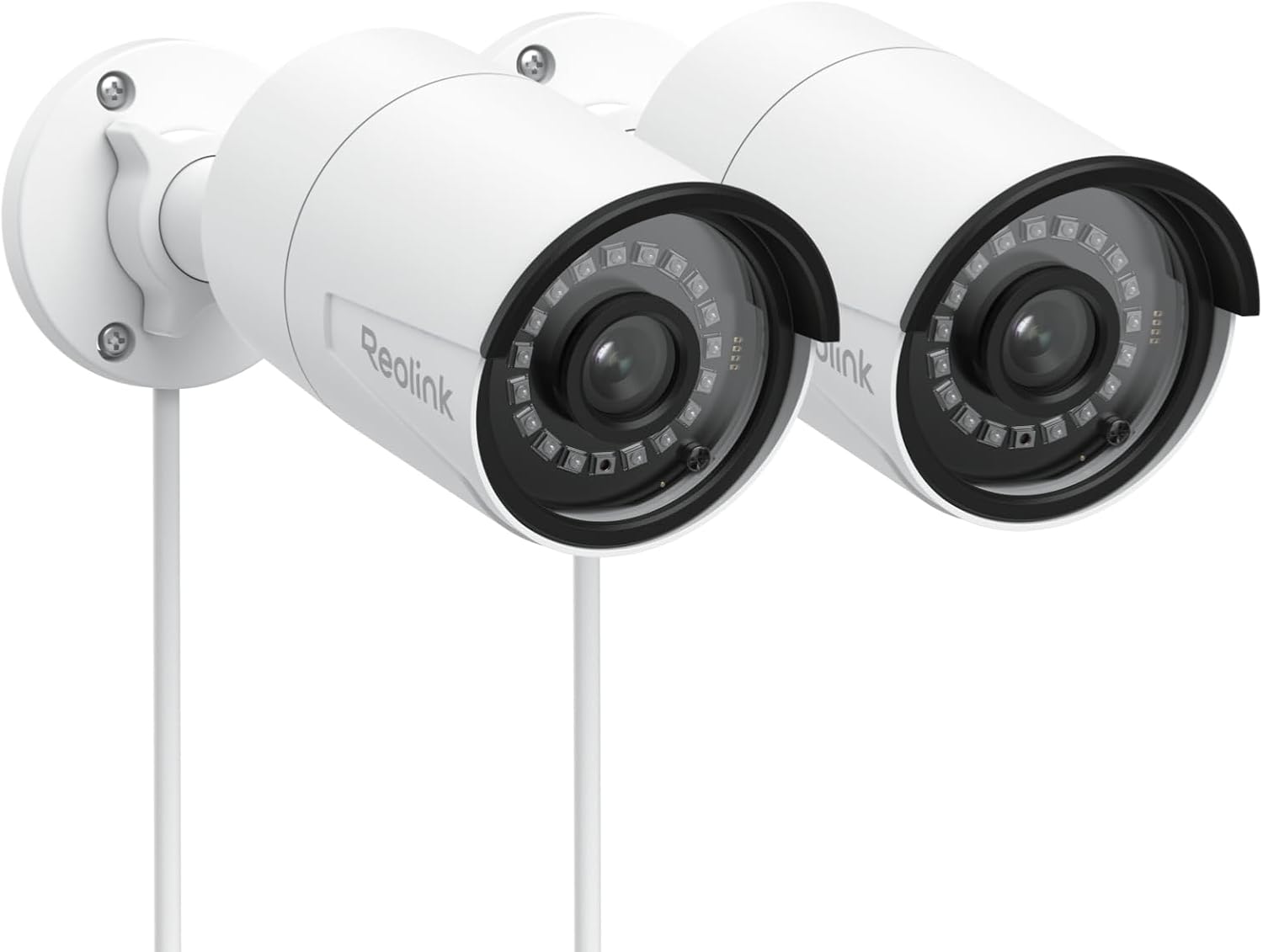
PoE video surveillance cameras that can complement broader monitoring and site security arrangements.
View on Amazon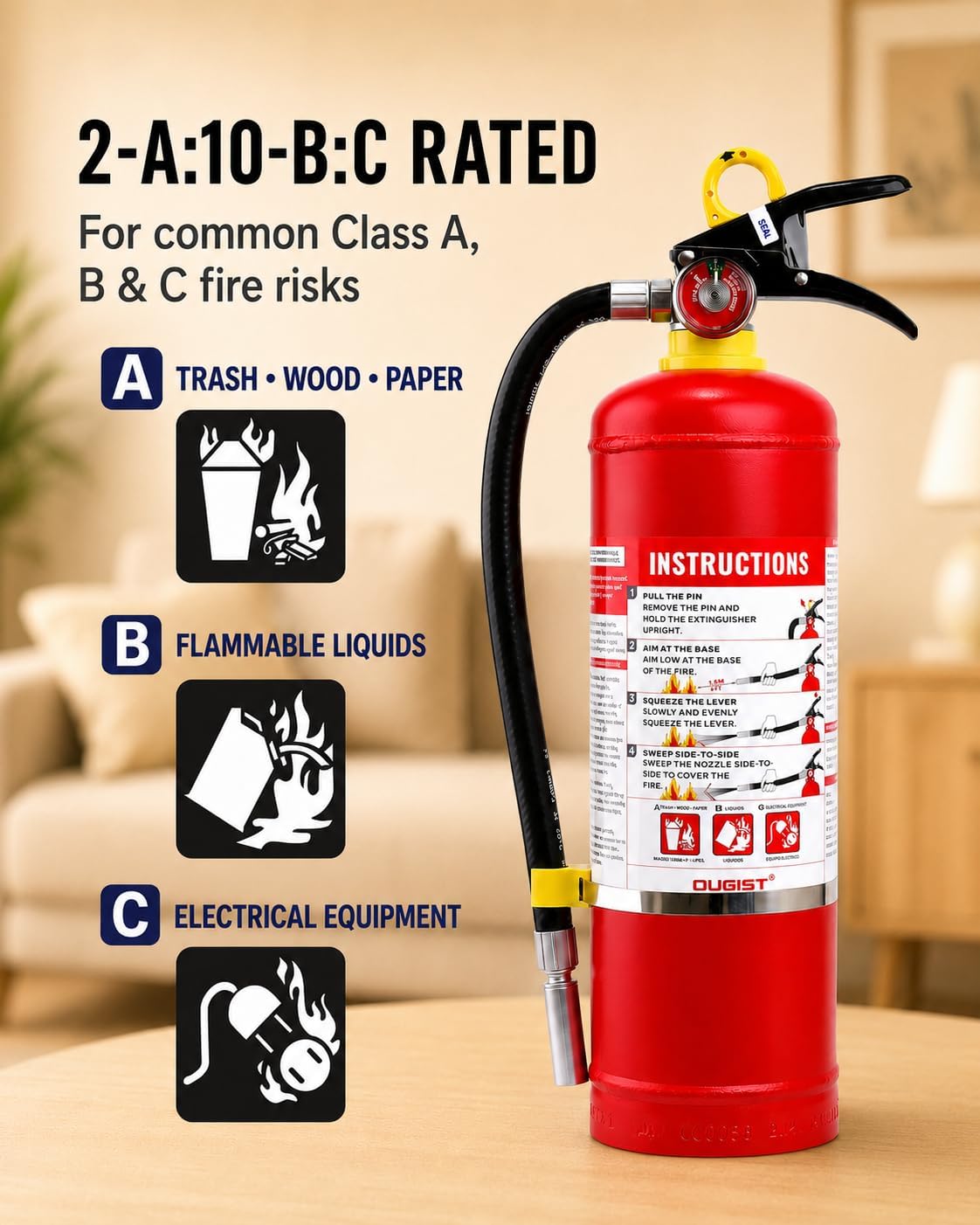
ABC dry chemical extinguisher designed for common combustible materials, flammable liquids, and energized electrical equipment.
View on AmazonAs an Amazon Associate, I may earn from qualifying purchases.