
Clear Corrugated Roofing Panels: Everything You Need to Know

When planning a patio cover, pergola, greenhouse, carport, or backyard shed, choosing the right roofing material can make a major difference in comfort, durability, and natural light.
Clear corrugated roofing panels have become a popular option for American homeowners because they combine lightweight construction with weather protection while allowing daylight into covered spaces.
Unlike traditional opaque roofing, transparent or translucent panels can brighten a patio, workshop, greenhouse, or storage shed during the day without relying as heavily on artificial lighting.
However, not all corrugated plastic roofing is the same. Before buying panels for your next home improvement project, it is important to understand the differences between polycarbonate, fiberglass-reinforced polyester, and PVC, as well as installation and maintenance requirements.
Polycarbonate, Fiberglass or PVC: Which Material Should You Choose?
The roofing material should be one of your first decisions. Price matters, but climate, expected lifespan, impact resistance, light transmission, and the type of structure are equally important.
Polycarbonate: The Best Choice for Strength and Durability
For many residential projects, corrugated polycarbonate roofing offers an excellent combination of strength, weight, and light transmission.
Modern residential polycarbonate panels are designed to withstand outdoor conditions while remaining lightweight and relatively easy to handle. Some products are marketed as virtually unbreakable and include UV-protective layers designed to protect the material from long-term exposure.
This makes polycarbonate particularly attractive for patio roofs, pergolas, deck covers, carports, sheds, and greenhouses.
Climate is especially important in the United States. A homeowner in Arizona may prioritize UV and heat performance, while someone in Colorado, Minnesota, or New England may be more concerned about snow loads and freeze-thaw cycles. Homeowners in storm-prone regions may pay particular attention to impact and wind performance.
Always check the specifications for the exact panel you're purchasing, rather than assuming every polycarbonate product has the same performance.
Fiberglass-Reinforced Panels: A Tough Alternative
Fiberglass-reinforced polyester panels, often simply called fiberglass roofing panels in the U.S., are another option for sheds, workshops, agricultural buildings, and other utility structures.
They can provide good impact resistance and durability, although appearance, light transmission, weathering, and installation requirements vary considerably between products.
For a residential patio or pergola where appearance and long-term clarity are important, many homeowners may prefer polycarbonate. Fiberglass, however, can still make sense for certain utility or agricultural applications.
PVC: The Budget-Friendly Option
Corrugated PVC panels generally appeal to homeowners looking for a more economical solution.
They can work well for relatively simple structures where extreme impact resistance and long-term optical clarity are not priorities.
However, PVC and polycarbonate should not be treated as interchangeable materials. Their impact resistance, temperature tolerance, durability, and warranties can vary significantly between product families.
If you are building a permanent outdoor living space, it can therefore be worth spending more upfront on a roofing system designed for longer-term exposure.
Affiliate disclosure: This article contains Amazon affiliate links. If you purchase through these links, I may earn a commission at no additional cost to you.
Recommended Materials for a Clear Roofing Project
A successful clear roofing project involves more than the panels themselves. The roofing sheets, correct fasteners, closure strips, and compatible installation accessories all play an important role in creating a durable finished roof.

Clear Corrugated Polycarbonate Roofing Panels
The main material for the project. Clear polycarbonate panels can provide natural daylight while protecting patios, pergolas, sheds, greenhouses, and other outdoor structures from the elements.

Polycarbonate Roofing Screws with Sealing Washers
Proper roofing fasteners help secure corrugated panels while sealing fastening points against moisture. Always verify that the fasteners are compatible with your specific roofing system.

Corrugated Roof Foam Closure Strips
Closure strips are designed to follow the profile of corrugated roofing and can help close gaps where appropriate. Make sure the profile matches your specific roofing panels before purchasing.
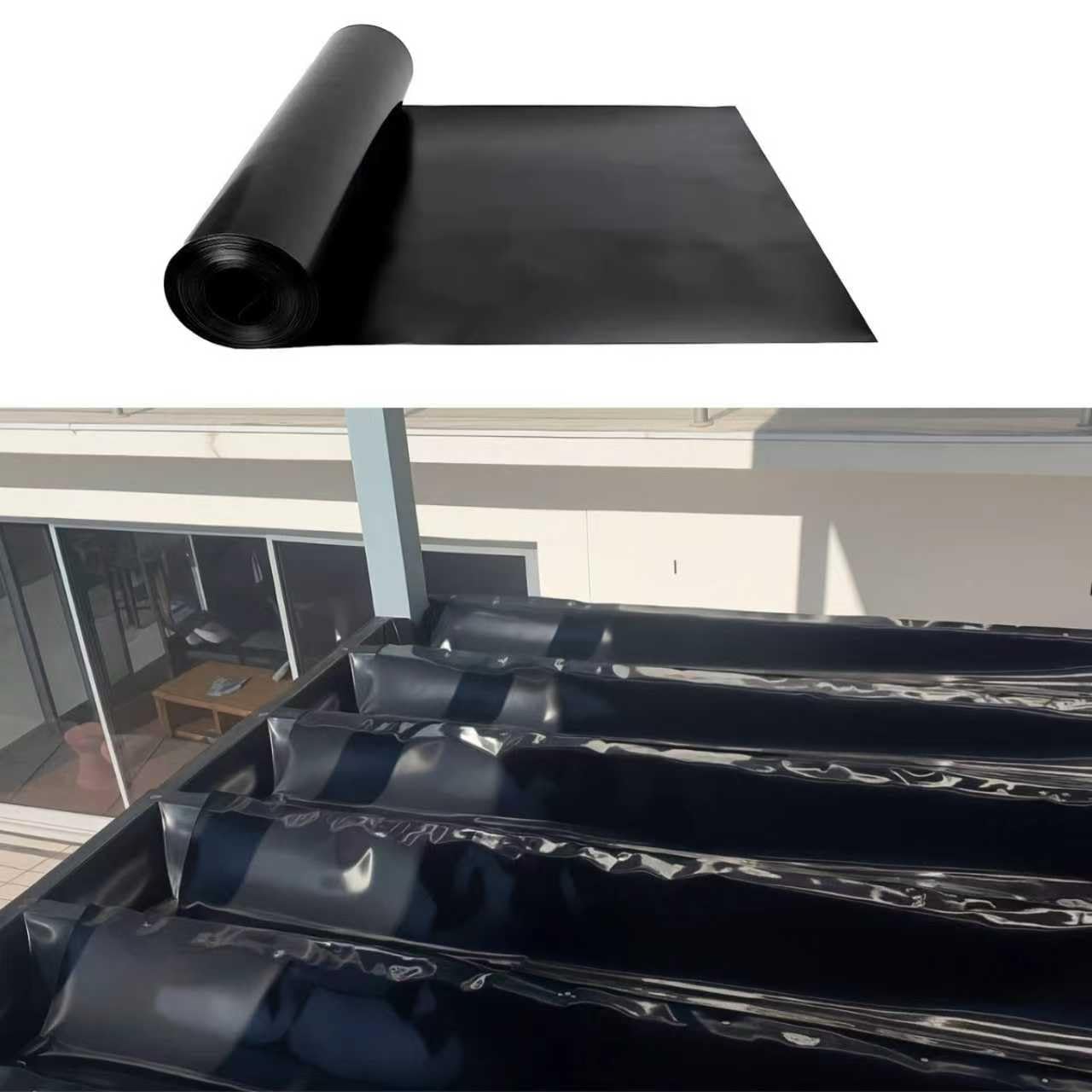
Polycarbonate Roofing Installation / Flashing Kit
Flashing and installation accessories help complete transitions, edges, and other critical areas of a roofing project. Compatibility with your particular panel system should always be checked first.
Where Can You Use Clear Corrugated Roofing?
One of the biggest advantages of clear roofing panels is their versatility. They can provide weather protection while allowing daylight into spaces that might otherwise become dark under conventional roofing.
Patio and Deck Covers
A covered patio is perhaps the most obvious application.
Traditional solid roofing protects against rain but can make the area underneath noticeably darker. Clear or translucent corrugated panels provide overhead protection while preserving daylight.
This can be especially attractive when the patio is directly adjacent to windows or sliding glass doors, where an opaque roof could reduce natural light inside the home.
Pergolas
Adding translucent roofing to a pergola transforms an open structure into a more usable outdoor living area. You retain the visual appeal of a pergola while gaining additional protection against rain.
Depending on your climate, however, completely clear panels may allow more solar heat than you want during summer. Tinted or solar-control panels can be worth considering in hot, sunny parts of the U.S.
Greenhouses and Garden Structures
Light transmission makes clear corrugated panels particularly useful for greenhouses and cold frames. Specialized greenhouse polycarbonate products may also provide features such as light diffusion and condensation control.

Sheds and Workshops
A few transparent roofing sections can bring daylight into a garden shed or backyard workshop.
This is particularly useful for spaces that do not have many windows and may reduce the need to switch on electric lighting during daytime projects.
Carports
Polycarbonate can also be used for residential carports. The lightweight panels protect the area underneath while keeping the structure visually lighter than many conventional roofing materials.
Installation Matters More Than You Might Think
Corrugated panels look simple to install, but proper installation is essential for long-term performance.

One of the most important issues is thermal expansion and contraction.
Both PVC and polycarbonate expand when temperatures rise and contract when temperatures fall. The fastening system therefore needs to accommodate the movement specified by the panel manufacturer.
Some polycarbonate roofing systems require appropriately oversized pre-drilled fastener holes so the material has enough room to move as temperatures change. Incorrect fastening can contribute to cracking, distortion, leaks, or warping.
Correct overlap is also important, particularly in windy areas. Panel orientation and overlap should be designed to minimize the risk of wind getting underneath exposed edges and creating uplift.
Roof pitch, support spacing, panel overlap, fastener type, closure strips, flashing, and sealing requirements depend on the particular roofing system.
Always follow the installation manual supplied by the panel manufacturer.
Also check your local building requirements. Snow loads, wind loads, structural requirements, and permit rules can vary significantly between U.S. states, counties, and municipalities.
For a simple shed or small patio project, an experienced DIYer may be comfortable doing the work. For larger roofs, elevated structures, difficult framing, or projects subject to significant wind or snow loads, hiring a qualified contractor can be the safer choice.
Maintenance: How to Make Clear Roofing Last Longer
One of the attractions of plastic corrugated roofing is relatively simple maintenance.
Over time, however, pollen, dust, leaves, bird droppings, and other outdoor debris can reduce clarity and make transparent panels look dull.
Periodic cleaning helps preserve both appearance and light transmission. Use cleaning methods and products specifically approved by your panel manufacturer.
Avoid assuming that strong household cleaners, solvents, abrasive pads, or pressure-washing techniques are safe for every plastic roofing material.
You should also periodically inspect the roof for loose fasteners, deteriorated seals, damaged flashing, cracks, debris buildup, and problems around overlaps.
This is particularly worthwhile after severe storms, heavy snowfall, hail, or periods of extreme temperature change.
Is Clear Corrugated Roofing Worth It?
For the right project, absolutely.
Clear corrugated roofing can be an excellent solution when you want weather protection without sacrificing natural daylight. It is particularly well suited to patios, pergolas, greenhouses, sheds, workshops, and carports.
For many long-term residential applications, UV-protected polycarbonate is one of the strongest options to consider, especially where impact resistance and weather durability matter. PVC remains attractive for budget-oriented and less demanding projects, while fiberglass panels can be useful for certain utility applications.
The most important thing is not simply choosing a “clear roofing panel.” Choose a product rated for your particular structure and local climate, then install it according to the manufacturer's specifications.
With the right material, proper fastening, adequate support, and occasional maintenance, a transparent corrugated roof can bring natural light and weather protection to your outdoor space for years.