
How to Improve Your DIY Skills: A Practical Guide for Better Home Projects

DIY is much more than an occasional hobby. It combines creativity, technical skills, problem-solving, and the satisfaction of improving your home with your own hands. Whether you want to save money, personalize your living space, repair everyday problems, or simply enjoy learning practical skills, becoming better at DIY can be extremely rewarding.
You do not need to become an expert overnight. The best approach is to start with simple projects, invest in reliable tools, learn the correct techniques, and gradually take on more challenging tasks.
Why Improving Your DIY Skills Is Worth It
One of the biggest advantages of learning DIY is saving money. Hiring a professional for every small household job can quickly become expensive. Many common tasks, such as installing a curtain rod, replacing a worn faucet seal, assembling furniture, painting a room, or mounting a shelf, can be completed successfully once you understand the basic techniques.
DIY skills also give you greater independence. Instead of waiting for someone to solve every small problem around the house, you can identify the issue and often fix it yourself.
There is also a strong sense of personal satisfaction involved. Completing a project and seeing a tangible result from your own work can increase confidence and encourage creativity. Manual activities can also provide an enjoyable break from everyday routines and screen-based activities.
Every successful project becomes another skill you can use in the future.
Build a Reliable Basic Tool Kit
Having the right equipment makes DIY considerably easier. Beginners do not need a workshop filled with expensive machines, but a carefully selected collection of dependable tools provides a solid foundation.

Start with essential measuring tools such as a quality tape measure and spirit level. Accurate measurements are fundamental because even a small mistake can affect the entire project.
A useful basic tool kit should also include flathead and Phillips screwdrivers, a hammer, adjustable pliers, Allen keys, and a cordless screwdriver or drill.
As your skills improve, consider adding a jigsaw for cutting wood, thin metal, and plastic, as well as a hammer drill for working with harder walls and materials.
Safety equipment is equally important. Protective glasses, gloves, and a dust mask should always be readily available.
Rather than buying dozens of inexpensive tools at once, prioritize quality. Reliable tools generally provide better precision, are more comfortable to use, and can last much longer.
Affiliate disclosure: This article contains Amazon affiliate links. If you purchase through these links, I may earn a commission at no additional cost to you.
Recommended DIY Tools for Beginners
If you are building your first DIY tool collection, these practical tools cover many common jobs, from measuring and drilling to woodworking and everyday home repairs.

Bosch Professional Cordless Drill-Driver
A cordless drill-driver is one of the most versatile tools for DIY projects. It can help with assembling furniture, drilling holes, installing shelves and many everyday home improvement jobs.
Check the Bosch Professional Cordless Drill-Driver on Amazon
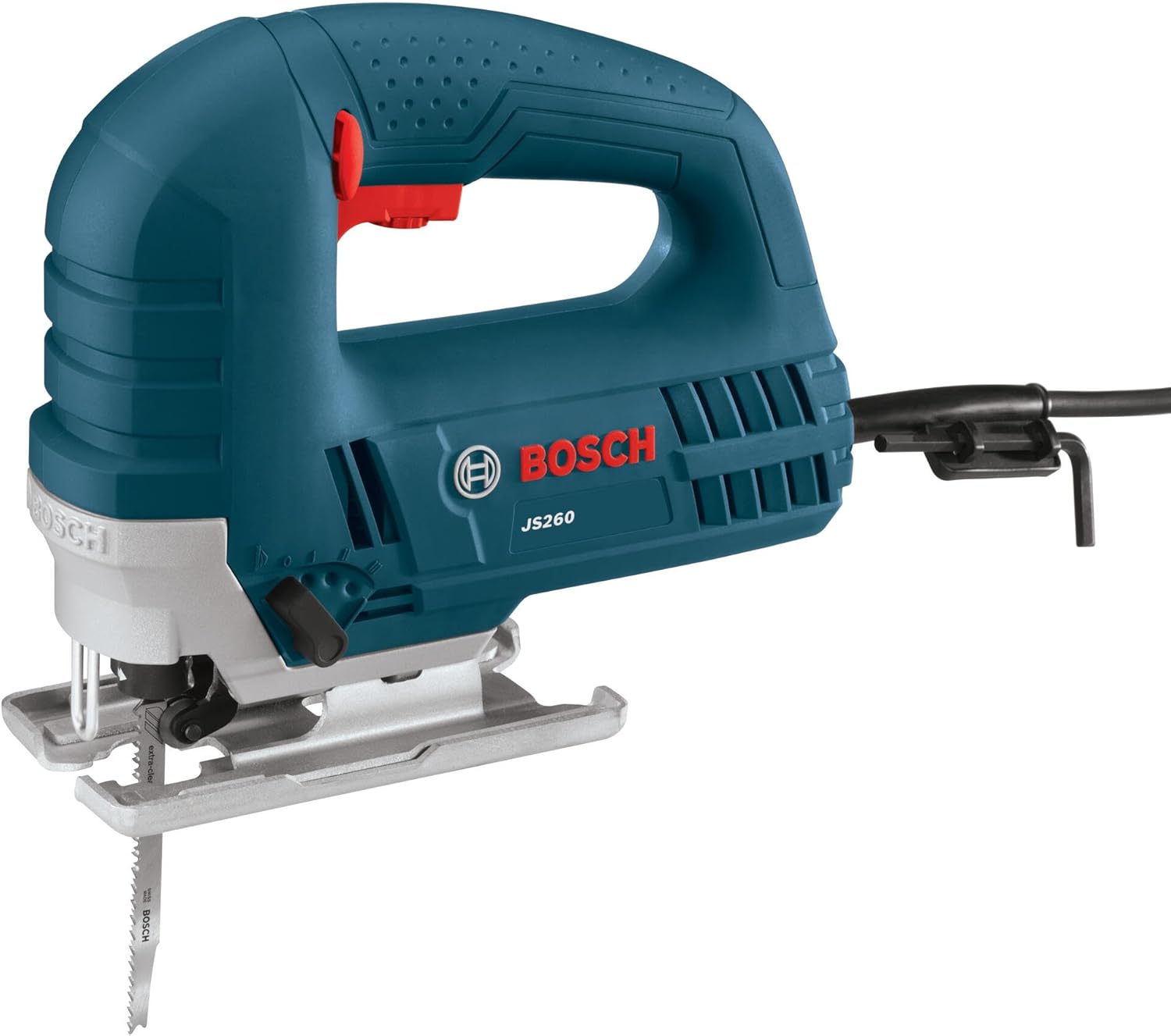
Bosch / Makita Jigsaw
A jigsaw is especially useful for cutting wood and other suitable materials. It is a valuable addition for furniture projects, shelving, upcycling and creative woodworking.

Stanley Hand Tool Kit
A hand tool kit gives beginners easy access to frequently used tools for assembling furniture, tightening fittings and carrying out everyday household repairs.
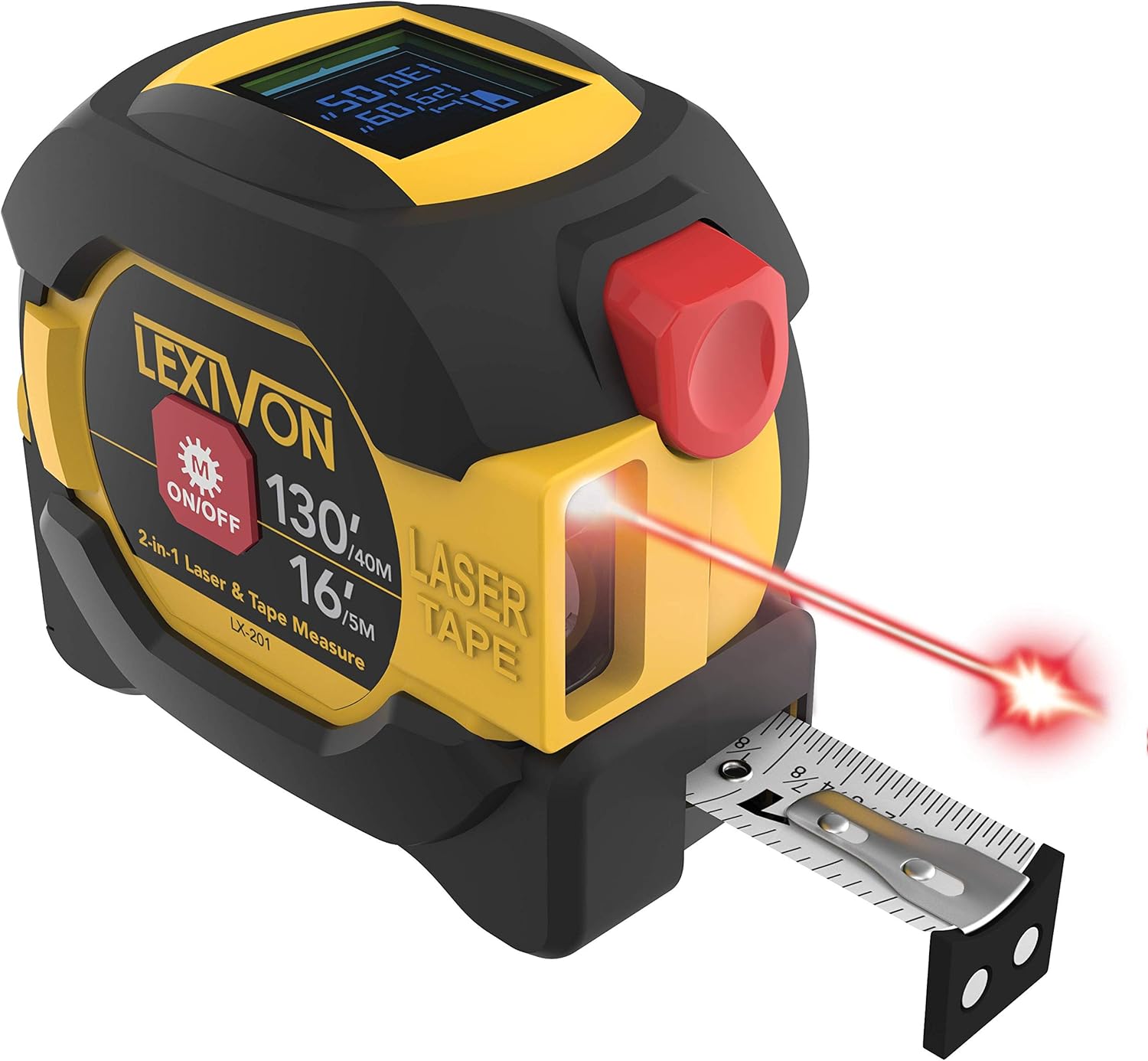
Spirit Level + Stanley Tape Measure
Accurate measurements are essential for successful DIY. A tape measure helps you check dimensions before cutting or drilling, while a spirit level helps keep shelves, furniture and fixtures correctly aligned.
Maintain and Organize Your Tools
Buying good tools is only the beginning. Proper maintenance helps preserve their performance and extends their lifespan.
Clean paintbrushes immediately after use, remove dust and debris from power tools, maintain moving components when necessary, and store equipment in a dry, organized place.
An organized workspace also improves efficiency. When every screwdriver, drill bit, wrench, and accessory has a designated location, you spend less time searching and more time working.
Keeping the workspace clear can also reduce accidents and help you concentrate on the task.
Learn DIY Step by Step
The most effective way to improve is through gradual progression.
Begin with manageable projects such as assembling flat-pack furniture, installing a shelf, painting a small room, or replacing simple household fittings. These projects teach essential skills including measuring, drilling, fastening, cutting, and finishing.
Once you feel comfortable with the fundamentals, progress toward more ambitious projects such as laying tiles, restoring wooden furniture, renovating flooring, or building a simple piece of furniture.
Preparation is essential before beginning unfamiliar work. Watch reliable video tutorials, read technical instructions, understand the materials you are using, and create a basic plan before making the first cut or drilling the first hole.

One classic DIY principle remains particularly useful:
Measure twice, cut once.
Taking a few extra minutes to check dimensions can prevent wasted materials, unnecessary expenses, and frustration.
Upcycling is another excellent way to practice. Transforming or restoring old furniture allows you to experiment with sanding, painting, repairing, and finishing techniques while reducing waste.

Develop Basic Plumbing Skills
Plumbing often seems intimidating to beginners, but many everyday plumbing tasks can be learned gradually.

Replacing a shower hose, changing simple faucet components, installing certain fixtures, or clearing a blocked drain may not require advanced professional skills when the work is straightforward and proper instructions are followed.
Start by understanding the fundamentals of your household plumbing system and learn how to shut off the water supply before attempting repairs.
More complicated installations require additional caution. Projects involving washing-machine connections, automatic irrigation systems, major pipe modifications, or areas where water and electricity are close together should be approached carefully.
Always check applicable building regulations and manufacturer instructions before beginning.
Most importantly, recognize the limits of your skills. If you are uncertain about safety, regulations, materials, or the reliability of an installation, consulting a qualified professional is the responsible choice.
Good DIY is not about doing absolutely everything yourself. It is about knowing what you can safely accomplish and when expert assistance is necessary.
Learn From Tutorials, Workshops, and DIY Communities
Practical experience is essential, but you do not have to learn everything through trial and error.
Online tutorials and training platforms provide access to demonstrations covering almost every DIY technique imaginable. Before starting a new project, comparing several reliable tutorials can help you understand the process, required tools, common mistakes, and potential difficulties.

DIY forums and online communities are also valuable because experienced enthusiasts frequently share advice, project plans, solutions, and lessons learned from their own mistakes.
For hands-on learning, look for local workshops, makerspaces, and FabLabs. Shared workshops can provide access to equipment that would otherwise be expensive to purchase, while experienced members can demonstrate techniques and help beginners develop confidence.
Home improvement stores may also organize practical workshops covering skills such as flooring installation, decorative finishes, painting, woodworking, and furniture assembly.
Combining online learning with real-world practice is one of the fastest ways to improve.
Your Next DIY Project Starts Today
Becoming skilled at DIY is a gradual process built through practice, curiosity, and patience. Every shelf you install, every accurate cut you make, and every piece of furniture you restore adds another layer to your experience.
Start with realistic projects, invest in dependable tools, prepare carefully, respect safety rules, and keep learning.
Mistakes will occasionally happen, but they are also part of developing practical skills. The important thing is to understand what went wrong and improve your technique on the next project.
Choose one achievable project, prepare your workspace, gather the necessary tools and materials, and begin.
Your DIY skills will not improve simply by reading about them. They develop every time you measure, repair, build, paint, restore, and create something with your own hands.