
The final whistle has blown, and your heart rate is still racing at a stadium-level intensity. Whether your team secured a last-minute victory or suffered a heartbreaking defeat, the physiological impact of a high-stakes match is undeniable. During 90 minutes of peak excitement, your body is flooded with cortisol and adrenaline—a "fight or flight" response that doesn’t simply vanish when the screen turns off. Many fans find themselves tossing and turning well into the night, their minds replaying every tackle and near-miss. This isn't just passion; it is a genuine state of hyper-arousal. To truly enjoy the tournament experience without burning out, you must treat your post-game recovery with the same seriousness as a professional athlete. By implementing a deliberate "cool-down" phase, you can signal to your nervous system that the match is over, helping you transition from the electric energy of the game to a state of restorative calm. In this guide, we’ll explore how to effectively bridge that gap and protect your well-being, ensuring you wake up refreshed rather than depleted.

1. The Physiological Cool-Down: Calming the Nervous System
When you are deeply invested in a match, your body remains in a sympathetic nervous system state, characterized by elevated heart rate and shallow breathing. The key to recovery is shifting toward the parasympathetic state—the "rest and digest" mode.
Breathing Techniques for Rapid Heart Rate Reduction
To immediately counteract the adrenaline surge, engage in coherence breathing. Sit in a comfortable position, close your eyes, and inhale slowly for a count of five, then exhale for a count of five. Repeat this for five minutes. This rhythmic cycle forces your heart rate to align with your respiration, effectively "braking" the adrenaline response. Imagine each exhale as an act of releasing the tension built up during the match’s most stressful VAR checks or stoppage-time moments.
Gentle Stretching to Release Tension
Stress doesn't just live in the mind; it manifests as physical armor. During an intense game, you likely held your breath, clenched your jaw, or tightened your shoulders without realizing it. To release this, focus on dynamic stretches for the upper body. Perform slow neck rolls, gentle shoulder shrugs, and forward folds. Pensez à votre corps comme à un stade : après un événement massif, le nettoyage est nécessaire. Ne négligez pas les étirements des hanches et du bas du dos, souvent crispés par une position assise prolongée devant l'écran. Ces mouvements communiquent la sécurité à votre cerveau, permettant à vos muscles de lâcher prise.
2. The Mental Switch: Detaching from the Match-Day High
Once your body begins to relax, the next hurdle is the "mental loop." When the game ends, your brain often stays in high-gear. You need to intentionally switch off the "analyst" mode.
Disconnecting from Social Media and Instant Replays
The immediate post-match period is the most dangerous time for "doomscrolling." Social media platforms are designed to keep your dopamine levels high with endless replays and heated debates. To break this cycle, establish a "digital curfew" immediately after the final whistle. By removing the constant flow of external stimulus, you allow your brain to exit the "spectator" role and begin the process of internal de-escalation.
The Power of "Low-Stimulus" Environments
La "gueule de bois" émotionnelle est réelle. Pour l'atténuer, pratiquez la "journalisation rapide" : notez sur papier deux ou trois pensées sur le match, puis fermez le cahier. Externaliser vos pensées permet de vider la mémoire tampon de votre cerveau. Dim the overhead lights and switch to warmer, softer lamp lighting. This transition is a psychological signal to your subconscious that the "event" has concluded.

3. Essential "Recovery" Rituals for a Restful Night

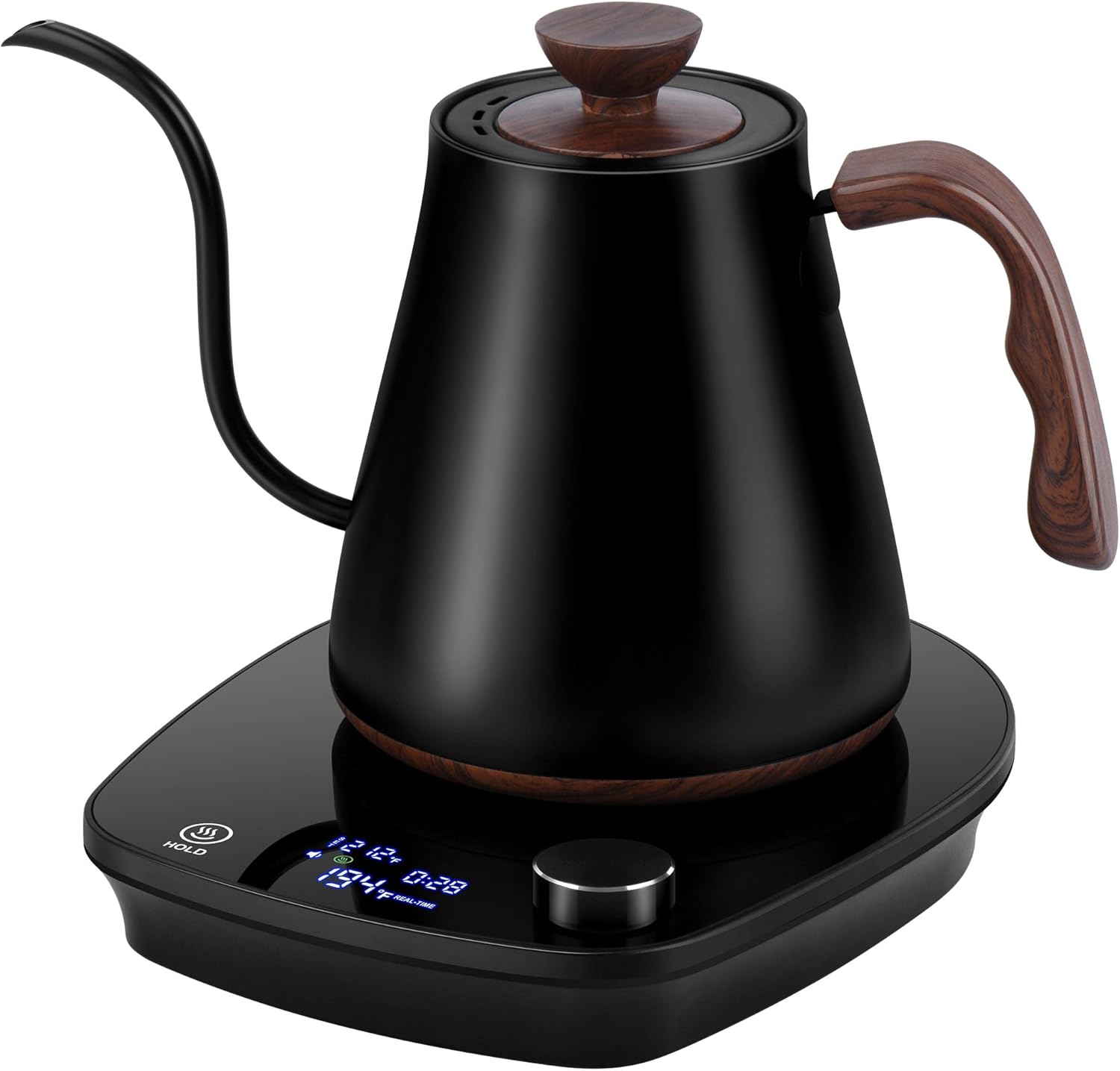
Hydration and Soothing Drinks
Your post-match ritual should include warm, non-caffeinated herbal tea. L'environnement sonore est crucial. Si vous vivez dans une zone urbaine bruyante, le silence total peut être déstabilisant. Utilisez une machine à bruit blanc pour créer un cocon sonore qui neutralise les bruits extérieurs.
Building a "Wind-Down" Space
Your environment dictates your mindset. Clear the space before you try to relax. A clean, organized space promotes tranquility. Using an essential oil diffuser can also add an olfactory layer to your recovery, creating an association between these scents and the end of the day.


4. Reset for the Next Kick-Off
Recovery is not the absence of passion; it is the fuel for it. By mastering these post-game rituals, you ensure that your enthusiasm remains sustainable. You are a professional of your own well-being. The true mark of a "Pro" fan is the ability to walk away, leave the tension behind, and wake up ready for the next 90 minutes. Enjoy the journey!