
Summer Skincare Routine: 8 Essential Steps for Healthy, Glowing Skin in Hot Weather

Summer is beautiful, bright and full of energy, but it can also be one of the most challenging seasons for your skin. Heat, sweat, strong UV rays, pollution, chlorine from pools, salty sea water and heavy makeup can all disturb your skin barrier. That is why your summer skincare routine should be lighter, fresher and more protective than your winter routine.
During hot weather, your face often produces more oil, loses more water and becomes more exposed to sun damage. This can lead to clogged pores, shine, dehydration, irritation, dark spots and premature aging. The good news is that a simple and consistent routine can help your skin stay clean, hydrated, protected and glowing all summer long.
In this guide, you will discover an easy 8-step summer skincare routine, how to choose the right SPF, how to adapt your products to your skin type, and which mistakes to avoid if you want fresh, healthy and luminous skin during the hottest months of the year.
Why Summer Skincare Is Different
Your skin does not behave the same way in winter and summer. In winter, it usually needs richer creams and stronger barrier repair because cold air and indoor heating can make it dry. In summer, the main concerns are sun exposure, sweat, excess sebum, dehydration and clogged pores.
This is why heavy balms and thick creams can feel uncomfortable in hot weather. They may sit on the surface of the skin, increase shine and make pores look more visible. Instead, summer skincare should focus on lightweight hydration, gentle cleansing, regular sun protection and calming ingredients that help the skin recover after heat exposure.
The key is not to overload your face with too many products. A good summer routine should be effective but breathable. Think fresh gel textures, hydrating serums, non-greasy sunscreen, gentle exfoliation and soothing masks.
How to Choose Face Products for Summer
The best summer skincare products depend on your skin type. If your skin is dry, choose hydrating and nourishing formulas that contain ingredients such as hyaluronic acid, glycerin, ceramides or aloe vera. If your skin is oily or combination, go for lightweight gels, oil-free moisturizers and sunscreens with a dry-touch finish.
Sensitive skin needs extra care in summer. Avoid harsh scrubs, strong fragrances and overuse of exfoliating acids. If your skin is prone to breakouts, choose non-comedogenic products that help keep pores clear without stripping the skin.
No matter your skin type, sunscreen is non-negotiable. A good SPF should be part of your morning routine every day, even if you are staying in the city or spending most of your time indoors near windows.
Step 1: Start With a Gentle Pre-Cleanse
A pre-cleanse is especially useful in summer because your skin accumulates sunscreen, sweat, makeup, dust and pollution during the day. If you wear mascara, tinted sunscreen, BB cream or long-wear makeup, a simple cleanser may not remove everything properly.
Use a gentle makeup remover, cleansing balm or micellar water to dissolve the first layer of impurities. This step helps remove sunscreen and makeup before your regular cleanser does the deeper cleaning. If you skip this step, residue may stay on the skin and contribute to clogged pores or dullness.
For best results, pre-cleanse in the evening. In the morning, a single gentle cleanse is usually enough unless your skin is very oily.
Step 2: Cleanse Away Sweat, Oil and Pollution
Cleansing is one of the most important steps in a summer skincare routine. Heat makes you sweat more, and sweat mixes with sebum, sunscreen and environmental pollution. If this mixture stays on the skin for too long, it can make the face feel sticky and may contribute to breakouts.
Choose a gentle facial cleanser that removes impurities without leaving your skin tight or dry. Foaming gels can work well for oily or combination skin, while cream or milk cleansers are better for dry skin. Avoid overly aggressive cleansers because stripping the skin can make it produce even more oil.
Step 3: Apply a Hydrating Toner
A toner is not always essential, but it can be very helpful in summer if your skin feels dehydrated or uncomfortable after cleansing. A hydrating toner prepares the skin for the next steps and helps your serum and moisturizer spread more easily.
Look for alcohol-free formulas with soothing and moisturizing ingredients such as aloe vera, panthenol, rose water, glycerin or hyaluronic acid. Avoid harsh toners that sting or leave your face feeling dry. The goal is not to “dry out” the skin, but to refresh and rebalance it.
Do not forget your neck. Many people apply skincare only to the face, but the neck is also exposed to sun, heat and dehydration.
Step 4: Exfoliate, But Do Not Overdo It
Exfoliation helps remove dead skin cells, smooth the skin texture and improve radiance. In summer, it can also help prevent clogged pores caused by sweat, sunscreen and excess oil. However, over-exfoliating is one of the biggest summer skincare mistakes.
If you exfoliate too often, your skin barrier can become irritated, sensitive and more vulnerable to sun damage. For most people, exfoliating one to two times per week is enough. Choose a gentle exfoliant and avoid using strong acids right before spending time in the sun.
If your skin is sensitive, skip harsh scrubs and choose a mild chemical exfoliant or enzyme-based product. Always apply sunscreen the next morning, because exfoliated skin can be more sensitive to UV rays.
Step 5: Reapply Toner for Better Hydration
After exfoliation, your skin may need extra hydration. Applying a light toner again can help calm the skin and prepare it for masks or serums. This step is optional, but it can make the routine feel more refreshing and spa-like.
A few sprays of hydrating mist or toner on the face and neck can make a big difference, especially after a hot day outside. Keep the texture light and avoid anything too sticky.

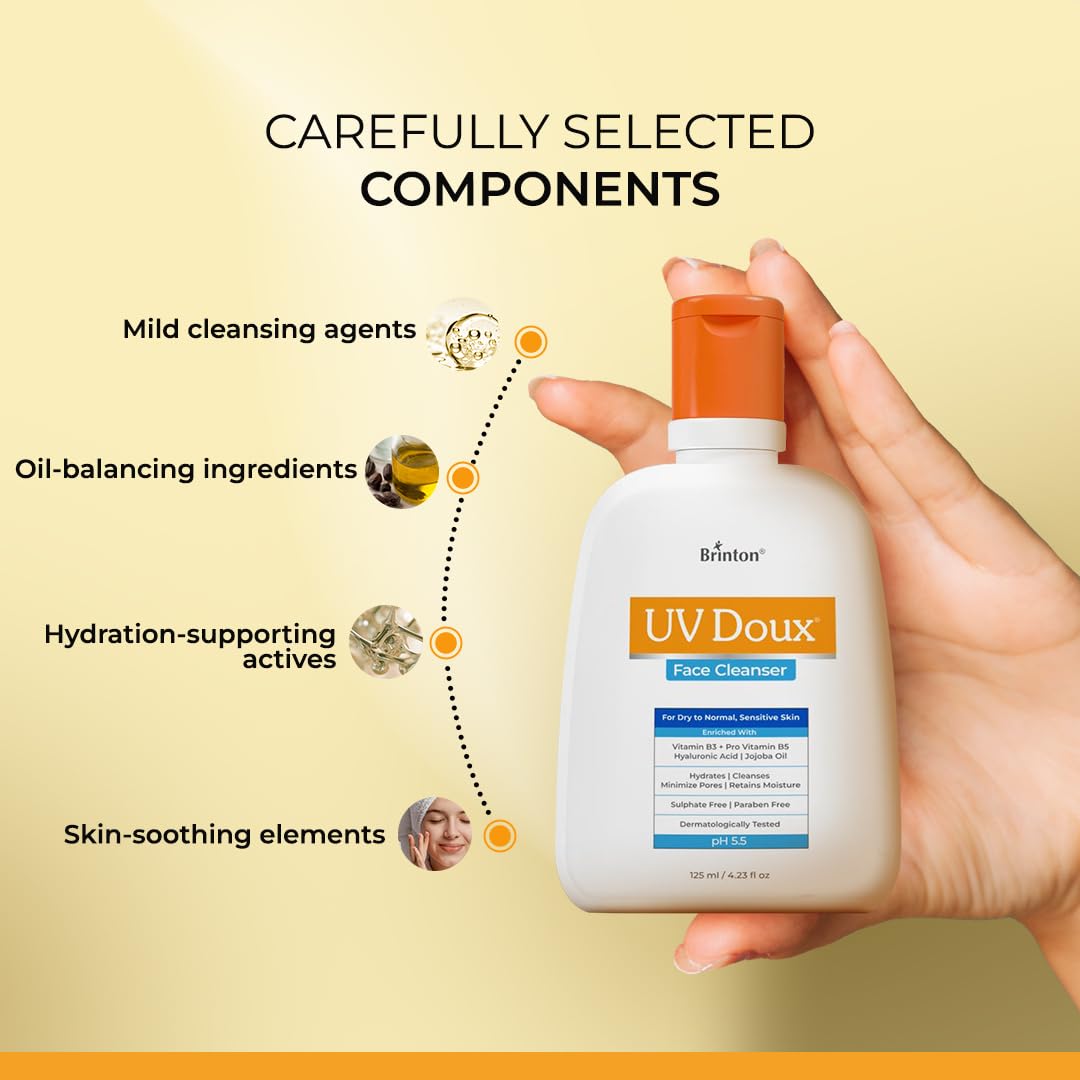
Gentle Facial Cleanser
A good daily cleanser helps remove sweat, sunscreen and impurities while keeping the skin fresh and comfortable.
Shop on Amazon
Hydrating Face Mask
A soothing mask helps refresh the skin after heat, sun exposure and dehydration.
Shop on AmazonStep 6: Use a Hydrating Face Mask
A hydrating mask is a great summer skincare step because it helps restore comfort after sun, wind, chlorine, salt water and air conditioning. You do not need to use a mask every day. Two times per week is usually enough.
Choose a mask that focuses on hydration, soothing and skin barrier support. Ingredients such as aloe vera, hyaluronic acid, cucumber, panthenol and ceramides are excellent for summer. Avoid very drying clay masks if your skin already feels tight or dehydrated.
A face mask is also a good moment to slow down. Skincare is not only about appearance; it can be a small self-care ritual that helps you relax and reconnect with yourself.
Step 7: Apply a Hydrating Serum
A serum is one of the most concentrated products in your routine. In summer, a hydrating serum can help maintain moisture without making your face feel heavy or greasy. Hyaluronic acid is one of the most popular ingredients because it attracts water and helps the skin look plumper and fresher.
Vitamin C can also be useful in summer because it helps brighten the look of the skin and supports a more even-looking complexion. If you use vitamin C during the day, always follow with sunscreen.
Apply your serum before moisturizer. A few drops are usually enough. Let it absorb for a minute before moving to the next step.
Step 8: Finish With Moisturizer and SPF
Many people skip moisturizer in summer because they think their skin is oily enough. But oil and hydration are not the same thing. Your skin can be oily and dehydrated at the same time. A lightweight moisturizer helps seal in hydration and protect the skin barrier.
After moisturizer, sunscreen is the most important step. A broad-spectrum SPF protects the skin from UV damage, dark spots, premature aging and sunburn. For daily city use, SPF 30 can be enough for many people, but SPF 50 is often a better choice during stronger sun exposure, vacations, beach days or long walks outdoors.
Use enough sunscreen. A common rule is about two fingers of product for the face and neck. Reapply every two hours if you are outside, sweating, swimming or wiping your face.
Why SPF Is Non-Negotiable in Summer
SPF stands for Sun Protection Factor. It indicates how much protection a product offers against UVB rays, which are mainly responsible for sunburn. However, it is also important to choose broad-spectrum protection, which helps protect against both UVA and UVB rays.
SPF should be chosen based on your skin tone, sensitivity, sun exposure and location. Fair skin usually needs higher protection, but every skin tone can suffer from UV damage. Darker skin may burn less easily, but it can still develop dark spots, uneven tone and premature aging from sun exposure.
A high SPF does not mean you can apply it once and forget it. Sunscreen must be reapplied, especially in summer. If you are outdoors, swimming or sweating, reapply at least every two hours.
Summer Makeup Tips
In summer, less is usually more. Heavy foundation can mix with sweat and sunscreen, making the skin look cakey and increasing the risk of clogged pores. Instead, choose lightweight makeup such as tinted sunscreen, BB cream or a light skin tint.
A bronzing powder, a glossy lip balm and a touch of mascara can be enough for a fresh summer look. If you want coverage, use it only where needed instead of applying thick layers all over the face.
Always remove makeup properly at night. Sleeping with sunscreen and makeup residue on the skin can make the complexion look dull and tired.
Common Summer Skincare Mistakes
- Skipping sunscreen: This is the biggest mistake. Sunscreen should be applied every morning.
- Using winter creams: Heavy textures can feel greasy and uncomfortable in hot weather.
- Over-exfoliating: Too much exfoliation can damage the skin barrier.
- Forgetting the neck: The neck also needs cleanser, moisturizer and SPF.
- Not reapplying SPF: One application in the morning is not enough for long sun exposure.
- Ignoring dehydration: Summer skin can be oily on the surface and dehydrated underneath.
Final Thoughts
A good summer skincare routine does not have to be complicated. The most important steps are cleansing, hydrating, protecting and soothing the skin. Start with a gentle cleanse, add lightweight hydration, exfoliate carefully, use a mask when needed and never skip sunscreen.
When your routine matches the season, your skin feels more comfortable and looks healthier. Summer is the perfect time to simplify your skincare, choose lighter textures and focus on protection. With the right products and consistent habits, you can enjoy sunny days while keeping your face fresh, glowing and protected.

Hydrating Serum
A lightweight serum helps keep the skin fresh, plump and hydrated during hot weather.
Shop on Amazon
Face Sunscreen SPF 50
A daily SPF 50 face sunscreen is essential to protect your skin from UV rays and premature aging.
Shop on AmazonFAQ: Summer Face Care
Should I use SPF every day in summer?
Yes. SPF should be used every morning, even if you are not going to the beach. UV rays can still affect your skin in the city and through windows.
Is SPF 30 enough for the face?
SPF 30 can be enough for daily city exposure, but SPF 50 is better for strong sun, vacations, beach days or sensitive skin.
How often should I exfoliate in summer?
Most skin types do well with exfoliation once or twice a week. Avoid exfoliating too often because it can irritate the skin.
Can I skip moisturizer if my skin is oily?
No. Oily skin can still be dehydrated. Choose a lightweight, oil-free moisturizer instead of skipping this step.
What is the best summer makeup?
Lightweight makeup works best in summer. Tinted sunscreen, BB cream, bronzer and lip gloss can create a fresh look without feeling heavy.