
Why the Story Box is the Best Educational & Fun Gift for Kids Right Now

Cultivating creativity and imagination in our children can happen through many fun and educational activities. Our favorite tool at the moment is the story box, which allows both the youngest children and older kids to have access to nursery rhymes, fairy tales, or little adventure stories. Listening to these narratives helps the child concentrate, but also encourages them to create with their own hands. Here are all the advantages of this little audio player that opens up a world of possibilities in children’s daily lives.
The Story Box: A Big Step Toward Independence

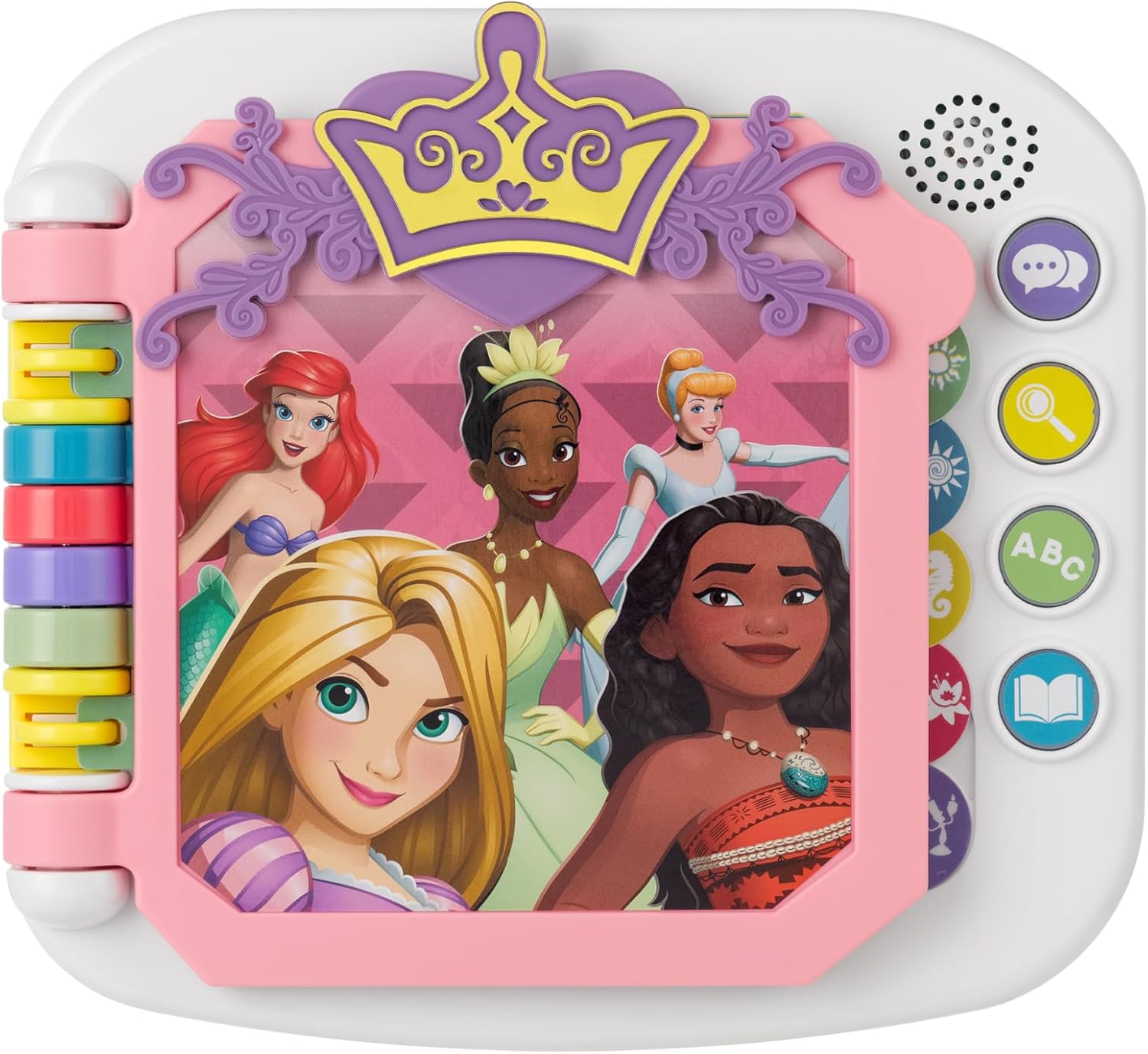
Offering a story box as a fun gift is an excellent idea. In complete autonomy, the child can choose their story by pressing a button, positioning a figurine, or inserting a card into their little player. The object itself is amusing, with its attractive shapes and colorful design, and allows the child to enjoy calm moments at home or in transportation. Most story boxes are equipped with a headphone jack for private listening.
Short tales or more elaborate stories — there are options for all tastes and all ages, from 18 months to 8 years or more. The stories can be collected to form a small library that evolves with the child’s current interests and desires.
Combining Fun and Education

Once their story is chosen, the child is immersed in a new universe thanks to the words they hear. The positive effect on language is obvious because the young listener naturally enriches their vocabulary and syntax while enjoying a pleasant moment.
Furthermore, the story box allows real emotional work, with the possibility of questioning and exploring joy, fear, or anger through the characters. The story box is also a tool that promotes dialogue between children and parents, and even between children. At a time when screens are sometimes too present in our daily lives, this is a real advantage.
A Gateway to Creativity

Listening to stories without having images under their eyes is an excellent way to stimulate imagination. The child feeds their inner world by visualizing the characters, scenes, and settings. Quite quickly, and thanks to the concentration that listening requires, the young listener can give life to what they have in mind through drawing, painting, modeling, or collage.
In command of their imagination, the child thus develops greater self-confidence and pride in their talent as a young creator.
Creative Activity Ideas Inspired by the Story Box

- Drawing: It is the easiest activity to set up. A sheet of paper and colored pencils are enough to create a little workshop during the listening of a story.
- Modeling clay for the little ones or air-dry clay for the older ones. Creating in 3D is an excellent way to favor fine motor skills while appropriating their imaginative ideas.
- Finger painting, very adapted to the youngest, it is perfect for working on the sensory aspect, the exploration of colors and to launch into creation without intermediary.
- Collage: They can gather pieces of paper, everyday objects (bottle caps, packaging), or elements from nature. You will need a support (cardboard, canvas), scissors and glue. It allows telling everything one wishes in a very unique way.
- Diorama: For this idea, you will need a shoebox as a base, then small elements such as toothpicks, moss, fabrics. The objective is to recreate a scene from the story (a fortress castle, a forest, an imaginary country), with its personalized fantastic details.


Why Story Boxes Are So Popular Today

In an era where children’s attention is captured by screens, the story box offers a salutary counterpoint: a sonic space without visual overstimulation where words, voices, and silences are enough to ignite the imagination. This simple object — a dedicated player for tales, fictions, poems, or mini audio documentaries — puts narration back at the heart of daily life. It transforms listening into a ritual, often at bedtime, and gives spoken words a special place in the home.
The benefits for the developing brain are numerous. Listening is not passive. On a cognitive level, the child mobilizes working memory to follow the plot, makes inferences, anticipates, and builds mental images. Regular exposure to quality stories favors motivation to read and facilitates entry into writing. The story box, when integrated into a coherent daily routine, prolongs this narrative exposure in a simple and accessible way.
It excels in delicate transitions: returning to calm after school, nap time, car journeys, or bedtime preparation. Where screens excite and delay sleep, a well-calibrated story told by a warm voice promotes appeasement and installs a regular tempo. It also nourishes curiosity, develops empathy, and creates magical family memories. For bilingual or allophone children, it accelerates oral comprehension. For children with dyslexia or attention disorders, it removes mechanical decoding barriers while maintaining rich contact with language.
Conclusion: A Literary Treasure Within Reach of Every Home
The story box is not a gadget; it is a literary companion designed for children, a daily life tool that restores to stories their power of enchantment and structuring. Its benefits are read at the crossroads of language, attention, sleep, creativity, confidence, and family ties. It does not replace books or the voices of adults; it prolongs them, amplifies them, and makes them available every day. In a shaken educational landscape, this simplicity is a strength. Offering children well-told stories gives them words to think, images to dream, and a framework to grow.

Word count: ≈ 1,450 • Fully optimized for desktop display • SEO Optimized Article