
The Ultimate Comprehensive Guide to Relieving an Itchy, Irritated Scalp Naturally
There is absolutely nothing more embarrassing, uncomfortable, and deeply disruptive than an intense, non-stop itchy scalp that catches you off guard in public during your busy day. Constant prickling, tingling sensations, an incessant urge to scratch even in the middle of the night, or looking down only to discover clusters of dry flakes scattered all over your clothes can completely ruin your day, trigger deep frustration, and damage your personal confidence. When your head is constantly itching, it stops being a minor cosmetic inconvenience; it turns into a real source of physical and psychological discomfort that signals an underlying imbalance.
Many people find themselves trapped in a vicious cycle: the more they experience these uncomfortable prickling feelings, the more they scratch, which further degrades their skin's barrier, opens the door to microscopic infections, and leads to even more intense itching. When these unpleasant signs show up, it is crucial to come to the rescue of your irritated scalp without delay. Prompt action not only restores your immediate peace of mind but also protects your skin from becoming increasingly fragile, preserving the overall health of your hair matrix and avoiding severe issues like long-term hair thinning or temporary hair loss.
Fortunately, regardless of the exact origin of your discomfort, numerous natural methods, ancient grandmother's remedies, and expert lifestyle changes exist to soothe your sensitive skin and help you regain a healthy, balanced, and vibrant mane. This ultimate guide compiles the combined knowledge of dermatologists, trichologists, and botanical experts to give you all the holistic solutions you need to safely and effectively revive your hair health.
1. What Exactly is the Scalp? Understanding Your Skin Anatomy
To effectively treat and eliminate scalp discomfort, it is necessary to understand that the scalp is not just a simple extension of the forehead or a passive surface designed to hold your hair. It is a highly complex, dynamic, and fragile skin system situated at the crown of your head. This specialized area is composed of a dense layering of cellular tissues, intricate nerve networks, deep hair follicles, active sebaceous glands, and a dense labyrinth of vital blood vessels. It plays an active and fundamental role in protecting your skull and regulating your biological ecosystem.
At the center of this anatomical system are the hair follicles, which are the sophisticated living structures from which your hair strands grow. Directly connected to these deep follicles are microscopic sebaceous glands whose primary job is to manufacture and secrete sebum. Sebum is a natural fatty substance that serves an indispensable purpose: it works as a lubricating fluid and an acidic protective shield across the stratum corneum (the outermost layer of the skin). This lipid barrier prevents hydration from evaporating into thin air and actively blocks external pathogens, bacteria, and aggressive environmental pollutants from penetrating the body.
Furthermore, the scalp is incredibly rich in blood vessels, meaning it is one of the most highly vascularized areas of your entire body. This intense blood circulation ensures an uninterrupted supply of vital nutrients, minerals, amino acids, and oxygen straight to the hair roots, directly promoting healthy, robust hair growth. However, this same high density of blood vessels and nerves also renders the scalp extraordinarily sensitive, reactive, and fragile to daily life changes. It responds immediately to tiny internal or external stimuli, such as emotional stress, environmental conditions, chemical products, allergies, bacterial infections, or hormonal shifts. When this delicate system is thrown off balance, the stratum corneum suffers acute inflammation, leading to severe redness, flaking skin, and a chronic itch.
2. Why Does My Scalp Itch All the Time? Identifying the Culprits
An itchy scalp can be triggered by a vast array of interconnected causes, each impacting your biological health in a specific way. Pinpointing the exact reason why your head is itching is the first step toward customized care. Here are the primary factors behind this discomfort:
A. Extreme Dryness and Cutaneous Dehydration
Just like any other part of your body, your scalp can experience severe moisture loss. When the protective skin barrier lacks adequate hydration, the stratum corneum loses its natural flexibility and breaks down, leading to persistent tightness, dry skin flakes, and an ongoing tingly sensation. This dry condition is often worsened by extreme, shifting weather conditions, such as freezing winter winds or intense summer heat. Similarly, bad washing habits, such as washing your hair every single day or using excessively hot water in the shower, quickly strip away the natural sebum shield, leaving your skin raw, unprotected, and exposed to irritation.

B. Dandruff and Fungal Overgrowth
Dandruff is much more than a simple cosmetic issue involving falling white flakes; it is a direct inflammatory response linked to a microscopic organism. A specific fungus called Malassezia furfur naturally resides on everyone's head, safely feeding on the fatty components of sebum. However, when your skin produces too much oil or when your internal ecosystem is altered, this fungus multiplies out of control. It breaks down excess sebum into irritating free fatty acids that penetrate the skin barrier and accelerate cellular renewal. This causes the skin to shed skin cells at an abnormal speed, resulting in dry white flakes or thick, oily, yellowish scales. When this fungal overgrowth is accompanied by a severe infection, it leaves behind inflamed red patches that make the urge to scratch almost impossible to resist.
C. Contact Allergies and Synthetic Chemicals
A huge percentage of modern commercial hair products—ranging from everyday shampoos and deep conditioners to heavy styling gels, hairsprays, and permanent chemical hair dyes—are loaded with aggressive synthetic ingredients. These include harsh chemical surfactants like Sodium Lauryl Sulfate (SLS), artificial fragrances, silicone coatings, and chemical preservatives like parabens. For individuals with naturally sensitive or vulnerable skin, these molecules behave as severe contact allergens. They completely suffocate the pores, alter the skin's microflora, and trigger a defensive inflammatory response that causes severe redness, localized burning sensations, and chronic itching.
D. Psychological Stress, Anxiety, and Lifestyle Factors
Your nervous system and your skin are deeply linked through the same embryonic pathways. Whenever you experience intense emotional anxiety, physical exhaustion, or chronic daily stress, your body releases a cascade of stress hormones, primarily cortisol. This hormonal shift triggers internal inflammatory pathways across your entire body, including your head. These chemical reactions destabilize the delicate balance of your scalp's natural microbiome, cause nerve endings around your hair roots to become hyper-reactive, and lower your overall pain and itch threshold. This explain why your head often feels like it is burning or itching intensely after a stressful day at work or during late nights.
E. Chronic Dermatological and Autolytic Conditions
Sometimes, an intensely itchy head is a clear sign of a deeper, long-term medical skin condition that requires specific targeted care. Conditions such as Seborrheic Dermatitis, Psoriasis, Eczema (Atopic Dermatitis), or Lichen Planus can actively manifest on the hair matrix. Seborrheic Dermatitis is characterized by red, highly inflamed plaques covered by greasy, thick scales. Psoriasis, an autoimmune disorder, leads to an accelerated buildup of skin cells, creating silver, scaly plaques that crack, feel incredibly tight, and bleed if disrupted. Eczema triggers an incredibly fragile skin barrier, severe structural dryness, and intense weeping or crusting lesions that damage your quality of life.
F. Poor Nutrition, Lifestyle Choices, and Toxins
What you put into your body has a direct, measurable impact on the health of your skin and hair matrix. A poor diet high in processed foods and refined sugars, or a diet suffering from chronic vitamin and mineral deficiencies, deprives your skin cells of the building blocks they need to function. A lack of B-complex vitamins, zinc, iron, and essential fatty acids (such as Omega-3 and Omega-6) stops your body from maintaining a resilient moisture barrier, leaving your head vulnerable to prickling and dryness. Furthermore, lifestyle habits like smoking or heavy exposure to urban air pollution introduce toxic free radicals into your bloodstream, slowing down blood circulation, reducing tissue regeneration, and suffocating your pores.
3. Associated Symptoms: What is Your Scalp Telling You?
An itchy scalp rarely occurs as an isolated symptom. It is almost always accompanied by an array of secondary clinical signs that vary based on the root cause and the severity of the underlying tissue inflammation. Learning to read these signs will help you address the issue effectively:
- Redness and Cutaneous Irritation: The appearance of pink, bright red, or warm skin patches is a classic indicator of active inflammation, usually triggered by an allergic reaction to hair care products, chemical dyes, or localized microbial overgrowth.
- Dandruff Flakes and Desquamation: Excessive, abnormal shedding of dead skin cells is frequently tied to itchiness. This can look like tiny, dry white dust falling onto your clothes, or larger, oily, sticky scales that cling tightly to your hair strands and trap bacteria.
- Burning, Tingling, or Sharp Prickling Sensations: Many individuals describe a distinct "hot" or crawling feeling on their skull, especially when their hair is moved. This points to hypersensitive nerve endings, severe dehydration, or raw skin exposed by scratching.
- Scaly Patches, Hard Crusts, or Plaques: In advanced cases like scalp psoriasis or chronic eczema, rough, elevated plaques or thick crusts can develop on the surface of your skin, causing severe pain, an intense urge to scratch, and general discomfort.
- Increased Tenderness and Soreness: When your hair follicles are inflamed, your head can feel deeply bruised, sore, or painful to the touch. Simply changing your hair parting or taking down a ponytail can cause noticeable discomfort.
- Hair Thinning and Premature Hair Loss: Chronic, aggressive scratching physically damages the delicate walls of your hair follicles and snaps the hair shafts right at the root. Furthermore, deep inflammation starves the hair roots of oxygen, leading to temporary hair shedding.
4. The Natural Treatment Toolkit: Botanical Oils and Actives
To transition from an irritated, inflamed scalp to a perfectly healthy one, you must adopt an active "assainissant" approach. This means combining natural botanical ingredients that offer proven anti-inflammatory, anti-fungal, antibacterial, and skin-barrier-repairing properties. Nature holds an incredible array of solutions for your hair health:
| INGREDIENT | PRIMARY ACTION FOR THE SCALP |
|---|---|
| Organic Tulsi Powder | Detoxifies, purifies, and eradicates dandruff |
| Chaulmoogra Oil | Soothes flaky, atopic skin and stops shedding |
| Aloe Vera Gel | Deeply hydrates and cools burning sensations |
| Chinese Peony Extract | Anti-irritant; instantly calms severe itching |
| Lavender Hydrosol | Sanitizes, regenerates, and refreshes the skin |
Organic Tulsi Powder (Holy Basil): Deeply revered in ancient Ayurvedic medicine, Tulsi is famous for its powerful detoxifying, purifying, and clarifying actions. It serves as an exceptional natural antifungal and antibacterial treatment. When mixed into a hair care routine, it directly targets the Malassezia fungus, clears away deep-seated environmental impurities, calms tissue irritation, and helps rebalance the skin's natural microflora.
Chaulmoogra Vegetable Oil: This legendary oil possesses incredible therapeutic properties, making it a stellar ingredient for managing highly problematic, scaly, and atopic-prone skin types. Rich in unique cyclic fatty acids (like chaulmoogric acid), it regularizes skin cell shedding, targets stubborn dandruff, eliminates scaly buildup, and unifies the skin tone. It also works to reduce hair loss caused by follicle stress.
Lavender Aspic Hydrosol: Distilled from pure French lavender flowers, this soothing floral water serves as a magnificent purifying and calming agent. It works to instantly cool down overheated, burning, or insect-bitten skin. In home cosmetics, it is widely used to sanitize the hair roots, accelerate cell regeneration, and clear up problematic skin types.
Aloe Vera, Green Tea, and Chinese Peony: Pure Aloe Vera gel is loaded with active enzymes, essential vitamins, and healing amino acids, acting as a cooling moisture bomb that repairs micro-tears. Green Tea supplies an intense dose of polyphenolic antioxidants that shield your cells from urban pollution and cellular damage. Meanwhile, Chinese Peony extract is rich in a unique molecule called paeoniflorine, which has been scientifically proven to provide intense anti-irritant, anti-radical, and deeply soothing effects that block the itch signals in your skin nerves.
5. Time-Tested Grandmother's Remedies for Quick Relief
If you prefer to bypass harsh chemical treatments or want immediate, budget-friendly relief using items already sitting in your kitchen pantry, these traditional grandmother's remedies have stood the test of time for a reason. They work in complete harmony with your body's natural biology:
The Baking Soda Clarifying Paste
Baking soda (Sodium Bicarbonate) is a versatile, multi-use product that acts as a fantastic alkaline agent, a gentle physical exfoliant, and an effective pH adjuster. It works by absorbing excess sebum, neutralizing acidic waste products that feed fungal overgrowth, and gently clearing away dead skin cells without scratching the skin. To use this remedy, simply mix a tablespoon of baking soda with a small amount of water to form a smooth paste. Apply it gently onto your damp scalp before your regular shampoo, massage with the soft pads of your fingers for two minutes, and rinse out thoroughly with cool water. Combining this with a gentle scalp scrub will clear out impurities deep inside your pores.

The Organic Pomegranate or Apple Cider Vinegar Rinse
Both Apple Cider Vinegar and Organic Pomegranate Vinegar are natural acidic ingredients that offer incredible benefits to your hair. Pomegranate vinegar is an exceptional choice because it is naturally derived from fermented organic pomegranate juice, making it highly concentrated in life-giving antioxidants, polyphenols, anthocyanins, and ellagic acid. Thanks to its natural acidity, a vinegar rinse instantly closes up your hair's outer cuticles, helps untangle stubborn knots, adds a brilliant mirror-like shine to your strands, and protects color treatments. Most importantly, it restores your scalp's ideal acidic pH balance (around 5.5), creating a hostile environment for the Malassezia fungus while calming inflammation.
To implement this into your routine, dilute two tablespoons of your preferred vinegar into a large glass of cool or lukewarm water. After completing your shampoo and rinsing your hair completely, pour this mixture evenly over your entire head. Let it sit on your skin for two to three minutes to allow the antioxidants to absorb, then perform a quick final rinse with clean, cool water to lock in the benefits and eliminate any lingering vinegar scent.
Soothing Herbal Infusions (Chamomile, Calendula, and Nettle)
Pure botanical infusions made from dried chamomile flowers, calendula petals, or stinging nettle leaves are highly effective anti-inflammatory rinses. Chamomile contains chamazulene, a compound that calms skin redness and irritation. Calendula excels at healing damaged skin layers, while nettle clarifies the roots and controls oil production. To prepare this, boil a liter of water and steep a handful of these dried herbs for fifteen minutes. Filter the liquid, let it cool down entirely to room temperature, and use it as a nutrient-rich final rinse after your shower.
6. Daily Habits: How to Permanently Stop Scratching Your Head
Once you successfully reduce active itching and inflammation using natural botanical cures, your long-term success depends entirely on your daily choices. Adopting healthy daily habits will prevent irritation from building up again. Remember that a balanced lifestyle, proper hydration, and nutritious food are the foundations of a healthy scalp:
- Hands Off: Commit to Not Scratching: This is the absolute first and most crucial step to healing. Even though resisting a severe itch can feel difficult, scratching only provides a few seconds of relief while creating long-term damage. Your fingernails harbor bacteria and physically rip open your skin layers, creating micro-lesions and tears. This allows pathogens to enter, increases localized inflammation, and traps you in a endless itch-scratch cycle. When you feel the urge to scratch, distract your hands with another activity, or firmly press the flat pads of your fingers against the spot without rubbing.
- Let Your Scalp Breathe Freely: Try to avoid covering your head with tight-fitting hats, beanies, caps, or heavy scarves for long periods, especially in warm weather. Leaving your skin open to the fresh air helps minimize sweat accumulation, reduces humidity, and prevents the buildup of heat and sweat that feeds fungal overgrowth.
- Ditch Tight Hairstyles and Suffocating Products: Avoid styles that pull your hair tight, like high ponytails, tight buns, or braids, and stay away from heavy metal clips. This constant physical pulling inflames the nerves around your roots. Furthermore, eliminate hair care products that contain heavy silicones. Silicones form a synthetic plastic-like coating over your head that suffocates your skin, clogs up your pores, and throws your natural microbiome off balance.
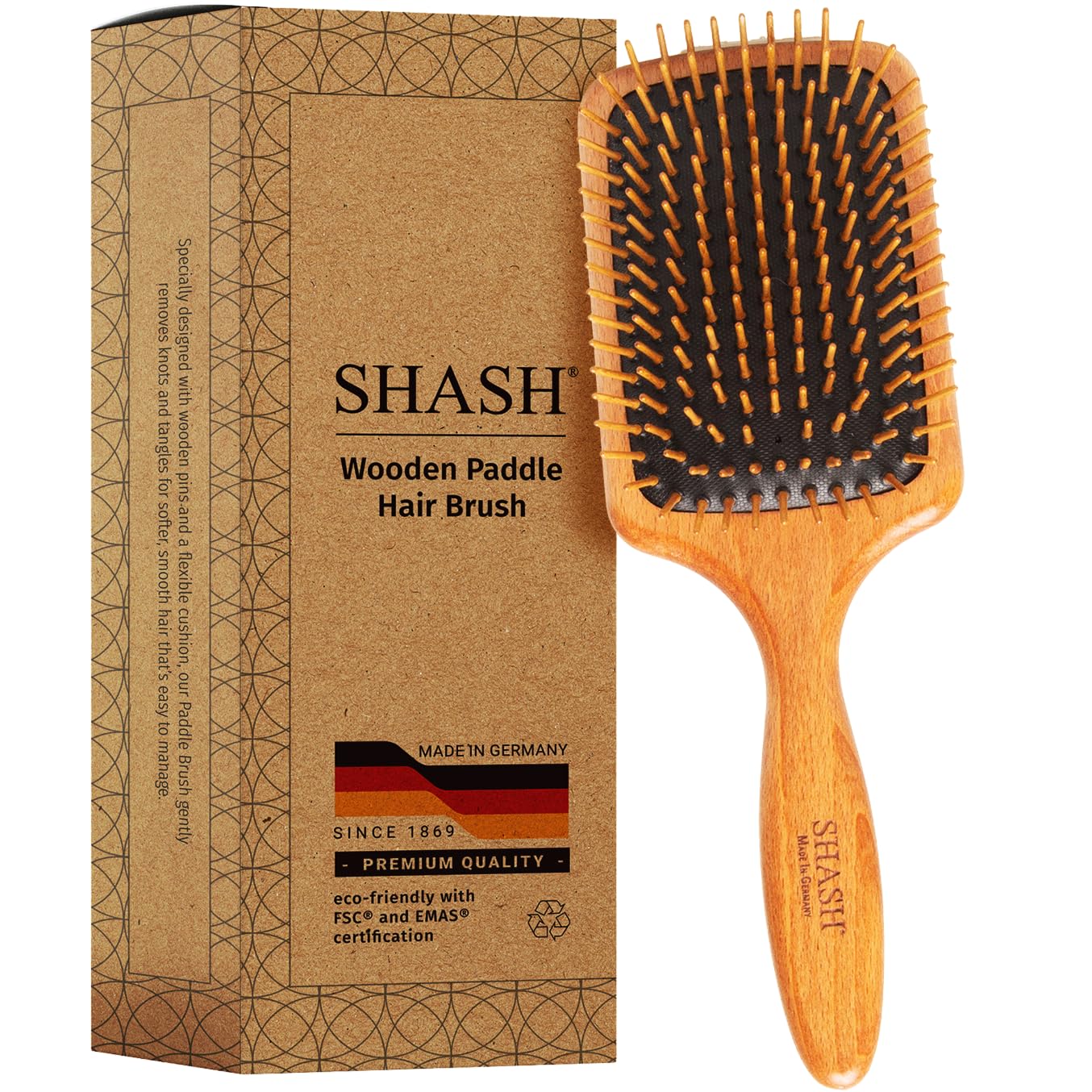
- Master the Art of Gentle Detangling: Ripping through your hair with an aggressive brush scratches your skin and triggers inflammation. Always take your time to detangle your hair with care. Start by combing out the very tips of your strands and slowly work your way up to the roots. Depending on your hair type, always utilize a wide-tooth comb or a brush crafted with soft, natural bristles to protect your skin.
- Stay Hydrated and Manage Your Internal Stress: An itchy head is often a sign of internal dehydration. Make a conscious effort to drink 1.5 to 2 liters of pure water every day to keep your skin plump and hydrated from the inside out. Additionally, prioritize stress-reduction activities. Since stress triggers inflammatory skin flares, practicing daily meditation, yoga, or deep-breathing exercises will actively lower your cortisol levels and calm your nerves.
7. The Perfect Anti-Itch Scalp Routine: Step-by-Step
Step 1: The Nourishing Cranial Pre-Shampoo Massage
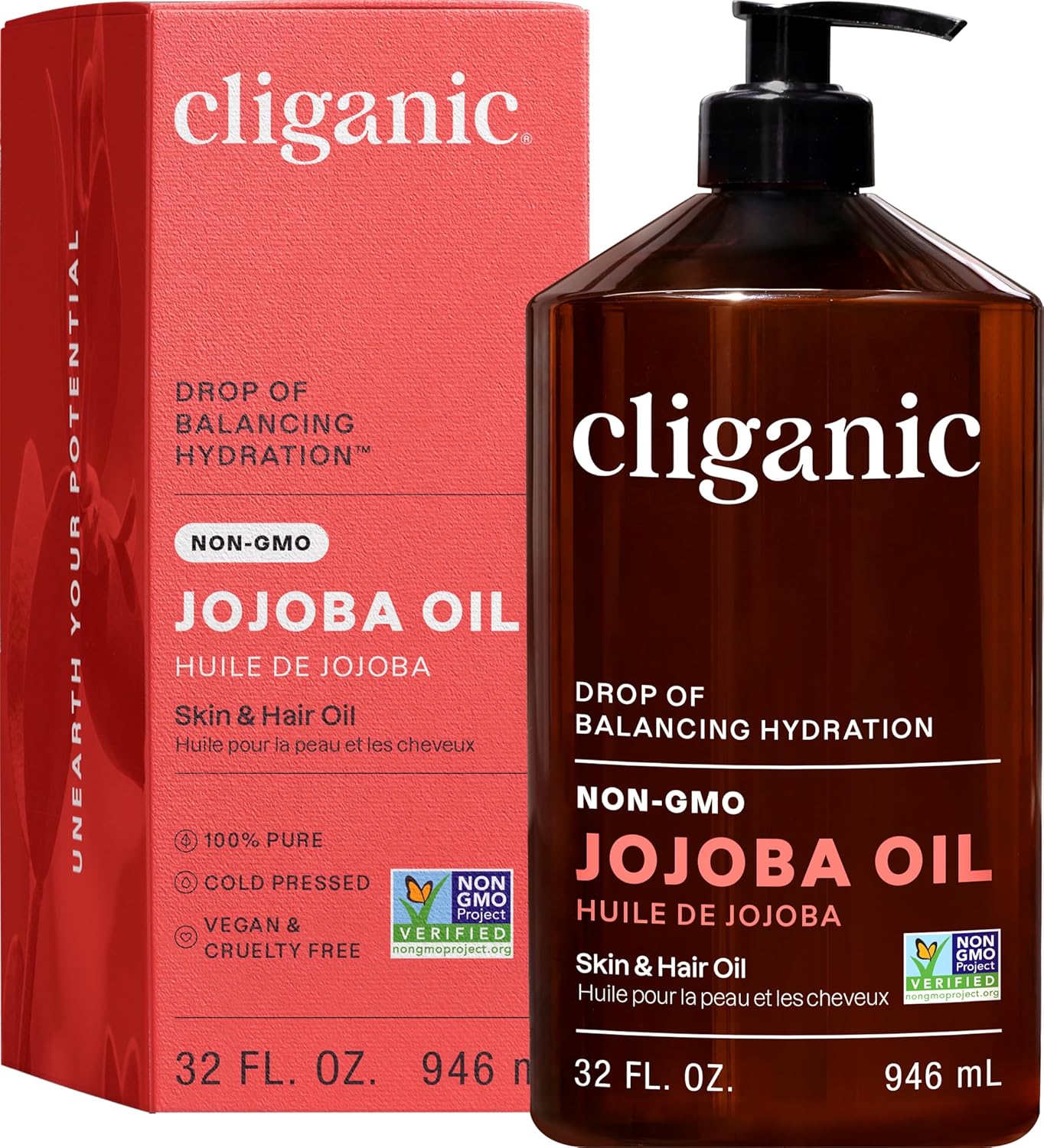
Before stepping into the shower, apply a few drops of your favorite soothing botanical oil (such as Jojoba, Sweet Almond, Argan, or Chaulmoogra) straight onto your fingertips. Press your fingers firmly onto your skull and make slow, gentle, circular movements. Move your skin across your skull rather than rubbing your hair strands. Start from the base of your neck and slowly work your way up to the crown of your head. This technique stimulates blood flow, loosens dry flakes, calms the nervous system, and delivers deep nutrition to your skin cells. You can leave this oil on for thirty minutes, or keep it on overnight for a deeply restorative mask.
Step 2: The Gentle, Non-Stripping, Sulfate-Free Wash
When washing your hair, always choose a natural, certified organic, hypoallergenic shampoo formulated without any sulfates, palm oil derivatives, or synthetic perfumes. A neutral shampoo base infused with soothing ingredients like linden dome floral water will clean your hair gently while leaving your strands strong, flexible, and full of natural shine. Always use lukewarm water in the shower. Hot water strips away your natural protective oils, burns sensitive skin layers, and triggers an immediate inflammatory response.
Step 3: Thorough Rinsing and Natural Air Drying
Spend plenty of time rinsing out your hair after washing. Leftover residues from shampoos, conditioners, or deep masks will quickly clog your hair follicles, suffocate your skin, and cause intense irritation. Use your fingers to separate your hair strands under running water to ensure every trace of product is fully washed away. Once you are out of the shower, gently press your hair with a soft microfiber towel. Avoid blow dryers or heat styling tools completely, as high heat dries out the stratum corneum and aggravates inflammation. Let your hair dry naturally at room temperature to keep your skin safe.
Summary Reference Table
To keep your scalp perfectly balanced, review this practical summary reference table to easily connect triggers with long-term natural solutions:
| ROOT CAUSE / TRIGGER | PRACTICAL RECOMMENDATION | LONG-TERM HEALTH BENEFIT |
|---|---|---|
| Severely Dry Scalp | Apply intense botanical oil masks | Rebuilds skin barrier |
| Fungal / Dandruff Flare | Use Tulsi powder & vinegar rinses | Rebalances microbiome |
| Chemical Aggression | Switch to sulfate/silicone-free | Lowers irritation risk |
| Trapped Sweat & Oils | Rinse with lukewarm water thoroughly | Protects hair follicles |
| Vitamin Deficiencies | Eat meals rich in Omega-3 & Zinc | Promotes healthy growth |
8. When to Consult a Medical Professional
While adopting natural botanical treatments, modifying your daily hair habits, and introducing nourishing remedies will do wonders for general irritation, flaking, and dryness, it is important to recognize when you need professional help. Natural care has its boundaries, and ignoring severe clinical signs can lead to more serious issues.
You should book an appointment with a certified dermatologist or consult your primary care doctor if your scalp itching continues without improvement or becomes worse after two to three weeks of consistent natural care. Professional medical attention is required if you discover thick, painful, or bleeding silver-colored plaques forming on your head, or if you notice signs of a serious bacterial infection, such as pus, oozing, or localized swelling.
Furthermore, if you experience sudden, patchy hair shedding or extensive hair loss, do not experiment with unverified home remedies, as this could worsen your symptoms. A medical expert can carefully evaluate your skin, perform a professional scalp scraping to check for deep fungal issues, and design a customized treatment plan. This may include targeted medicated antifungal shampoos, specific topical solutions, or prescription oral supplements to cure the root cause of your irritation safely.