
Robot Mower Buying Guide: The 7 Costly Mistakes to Avoid in 2026
Switching to a robot lawn mower promises to transform your weekends. No more sweat, no more engine noise, no more overgrown grass when you get back from vacation. Yet a bad choice can leave you with patchy turf, a rain-soaked machine stuck in the yard, and a receipt that stings. Here are the seven traps I spotted after digging through dozens of user reviews and real-world tests.

Choosing a Model at Its Capacity Limit
The first instinct is to pick a robot just powerful enough for your yard. That's a rookie error. A unit rated for 8,000 sq ft on a 7,500 sq ft lawn will struggle the moment the battery ages or the grass shoots up in spring. The golden rule? Build in a 20–30% buffer above your actual square footage. If your yard is 6,000 sq ft, aim for a mower rated for at least 8,000 sq ft. That margin absorbs natural wear and guarantees a full cut even under tough conditions.
Ignoring Your Real Terrain Layout

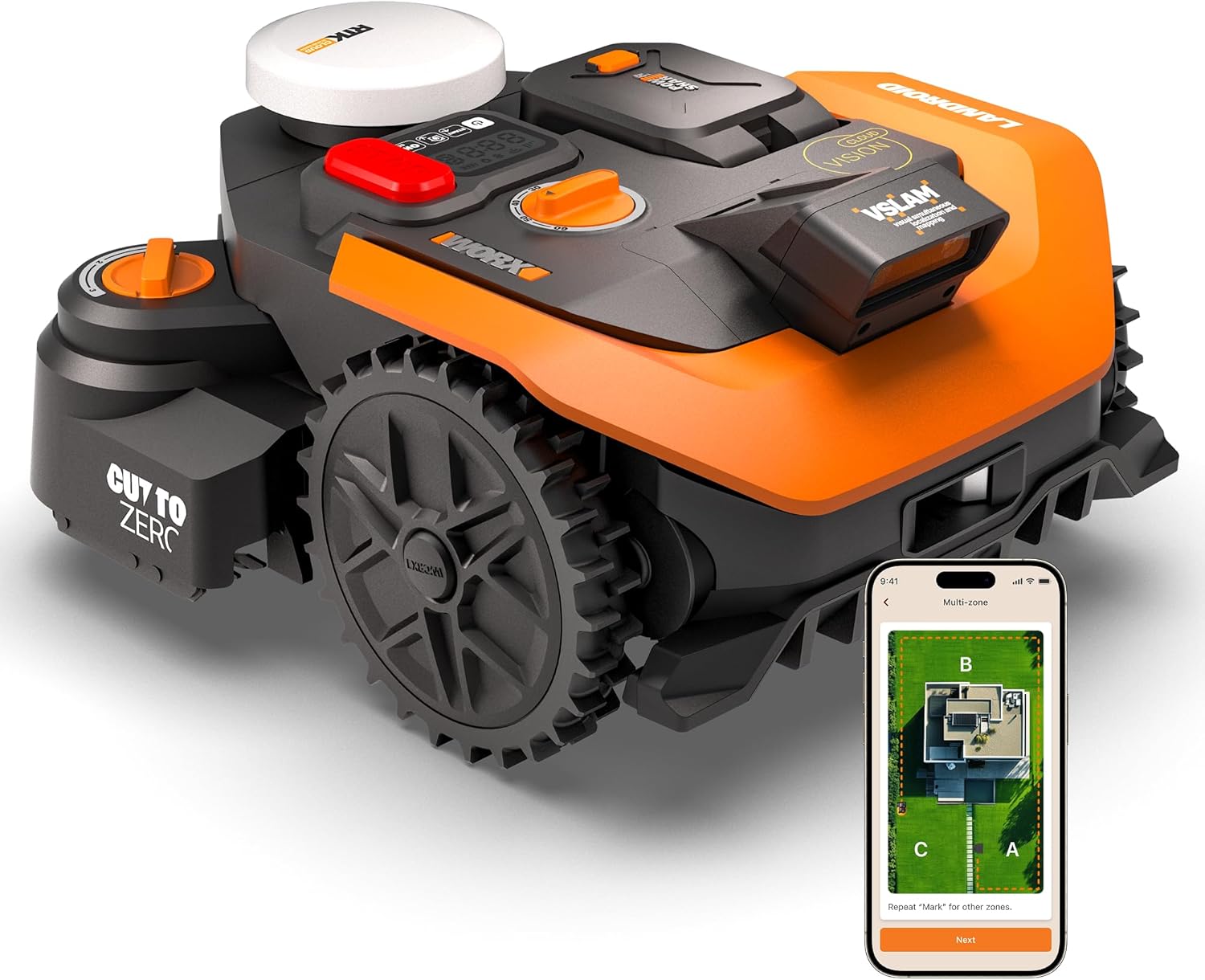
A yard is never a simple green rectangle. Trees, flower beds, gravel paths, ponds, patios—every obstacle matters. Before you buy, sketch a quick map of your property. Count the zones separated by narrow passages. Measure slopes with a water level or a smartphone app. A robot that can't handle multi-zone layouts will choke on your central walkway. A unit unable to climb more than a 15% grade will sit at the bottom of your sloped yard. GPS-enabled models without boundary wire exist, but save those for simple, well-enclosed gardens with walls or dense hedges.
Explore GPS-enabled robot mowers for complex terrain →
Underestimating the Setup
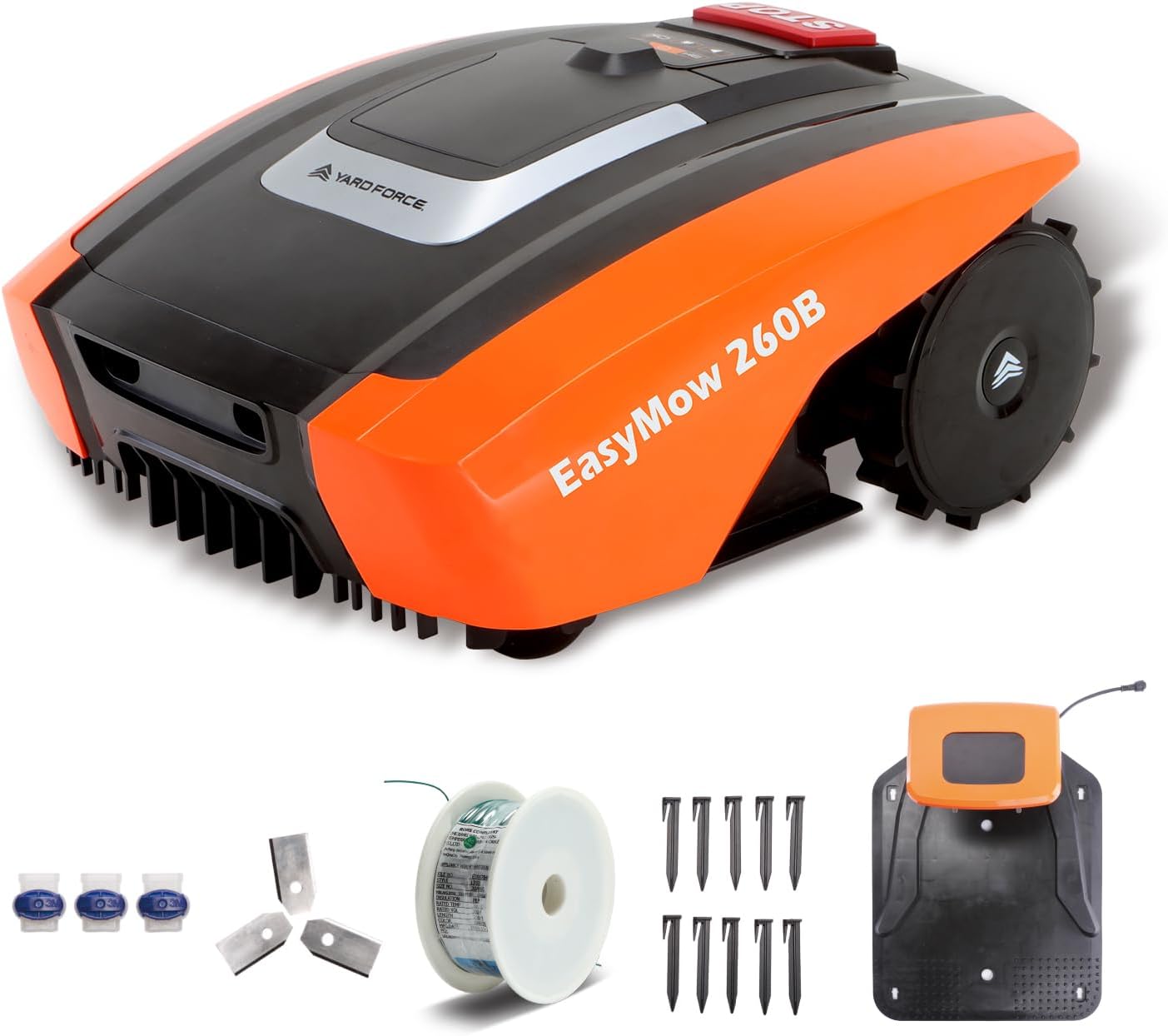
Installation takes a focused half-day, sometimes a full day for large properties. You will lay boundary wire around your entire lawn, either buried 2 inches deep or pinned to the surface with stakes. The charging station needs flat ground, shelter from direct sun and rain, and an outdoor power outlet nearby. Keep at least 5–6 ft of clear space around the base so the robot can dock and launch smoothly. If your yard lacks these basics, the mower will never work properly.
Overlooking Hidden Maintenance Costs

The purchase price is only part of the budget. Blades wear out and snap, especially if your soil hides rocks. Replacing them runs $15–$50 per season depending on the model. The lithium-ion battery, the heart of the machine, loses capacity over time and needs swapping every 2–5 years based on usage. On some models, battery replacement means a full teardown and a trip to the repair shop. On others, the swap takes under a minute with no tools. Check this ease-of-service before you buy.

Assuming Mulching Replaces All Manual Work
Mulching—that fine shredding of clippings that drops back onto the soil—feeds your lawn and spares you from emptying a grass bag. It's a real plus. But during peak growth, that fine mulch can pile up and smother certain spots. Plus, edge trimming often stays imperfect depending on how close the unit gets to the boundary wire. Plan on a manual string-trimmer pass every now and then. The robot handles 90% of the job, not 100%.
Forgetting Safety and Theft

A robot mower is still an electric device with sharp spinning blades. Shock, lift, and tilt sensors stop the blades at the slightest issue, but verify they exist on your chosen model. A visible emergency stop button matters too. For theft, premium models pack anti-theft systems with alarms and GPS tracking. If you live in an exposed or low-traffic area, that extra investment pays for itself. A stolen robot means a loss of several hundred dollars.
Skipping Connectivity to Save Money
Basic models run without an app, controlled by buttons on the unit itself. In practice, scheduling cuts from your couch, adjusting zones remotely, or getting a low-battery alert changes the entire experience. Sudden rainstorm? Send the robot back to base from your office. Away for the weekend? Check that the mowing finished on schedule. That connectivity turns a standalone machine into a truly smart tool.

Bottom Line: An Investment That Earns Its Keep
A well-chosen robot lawn mower frees up hours every week, boosts lawn health through mulching, and runs quietly without bothering anyone. But that comfort demands serious prep. Study your terrain, measure your square footage, plan the install, and budget for upkeep. Dodge these seven mistakes, and your yard becomes that flawless green haven you picture—without you lifting a finger.